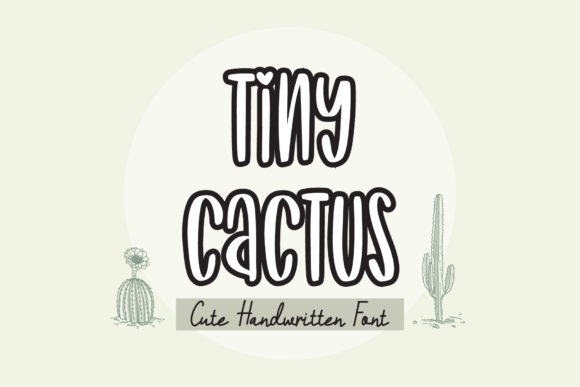
Discover Tiny Cactus: A Friendly Handwritten Font for Web Design
As a web designer, I'm always on the lookout for fonts that can add a unique and personal touch to my projects. Recently, I had the pleasure of testing Tiny Cactus, a charming handwritten font from the Script Amp category. This font has a quirky, friendly look that makes it perfect for adding a creative and approachable feel to websites.
A Visual Delight with Quirky Charm
Tiny Cactus is a premium font that stands out with its playful and hand-drawn style. The letters have a slightly irregular and bouncy quality, giving them a warm and inviting appearance. This typeface is not just visually appealing; it also brings a sense of personality and authenticity to any design. Whether you're working on a creative portfolio, a boutique online store, or a coaching website, Tiny Cactus can help set the right tone.
Testing Tiny Cactus in Real Web Layouts
I decided to test Tiny Cactus in a few different web design scenarios to see how it performed. First, I used it in the hero section of a creative portfolio site. The font's quirky style perfectly complemented the artistic and personal nature of the portfolio. It added a touch of uniqueness and made the headline stand out, drawing the visitor's attention immediately.
Next, I tried Tiny Cactus in a product landing page for an online store. The font worked beautifully as the main heading, providing a friendly and approachable feel. It helped to create a welcoming atmosphere, making the products seem more relatable and desirable. The font's readability was excellent, even when used over an image banner, thanks to its clear and well-defined letterforms.
Enhancing Readability and User Engagement
One of the key aspects of using Tiny Cactus in web design is its impact on readability and user engagement. The font's legibility is impressive, especially for larger text sizes like headings and subheadings. It adds a touch of creativity without sacrificing clarity, which is crucial for maintaining a positive user experience.
However, it's important to note that Tiny Cactus may not be the best choice for long body copy or small text. The decorative nature of the font can make it less suitable for dense paragraphs or small navigation labels. For these areas, I recommend pairing Tiny Cactus with a clean sans serif font, such as Arial or Helvetica, to ensure optimal readability and a balanced visual hierarchy.
Responsive Design and Mobile Optimization
In today's mobile-first world, it's essential to consider how a font performs on smaller screens. I tested Tiny Cactus on various devices, and it held up well. The font's clear and distinct letterforms made it easy to read on both desktop and mobile. However, for very small buttons or form labels, it's advisable to use a simpler, more legible font to ensure accessibility and a seamless user experience.
When using Tiny Cactus in responsive layouts, it's also important to check how it scales. The font's natural charm and character are preserved across different screen sizes, making it a versatile choice for modern web design. Just be sure to test it thoroughly on all devices to ensure it meets your project's needs.
Font Pairing and Brand Consistency
To create a cohesive and professional brand identity, font pairing is crucial. Tiny Cactus works exceptionally well when paired with a simple sans serif font for body text. This combination provides a balance between creativity and readability, ensuring that your content is both engaging and easy to understand.
For a more editorial or sophisticated look, you might consider pairing Tiny Cactus with a classic serif font. This can add a touch of elegance and refinement to your design, making it suitable for high-end or luxury brands. Experiment with different combinations to find the one that best aligns with your brand's aesthetic and values.
Final Considerations and Licensing
Before incorporating Tiny Cactus into your web design projects, it's important to check the included styles, alternates, and file formats. This font comes with a range of options, including webfont availability, which is essential for seamless integration into your website. Additionally, ensure that you have the appropriate commercial font licensing, especially if you plan to use it on client projects, online stores, or digital templates.
Overall, Tiny Cactus is a delightful and versatile handwritten font that can add a unique and personal touch to your web designs. Its quirky and friendly style makes it perfect for creative portfolios, boutique online stores, and other projects where a touch of personality is needed. With careful consideration and thoughtful implementation, Tiny Cactus can enhance your brand's visual appeal and user engagement, making it a valuable addition to your design toolkit.