Discover Tsamara: A Handwritten Font for Editorial Elegance
As I embarked on the redesign of my lifestyle blog, I found myself in a delightful yet challenging quest to find the perfect font. The goal was clear: to create a visual identity that would not only capture the essence of my content but also engage and delight my readers. This is where Tsamara entered the scene, a sweet and friendly handwritten font that effortlessly adds a touch of natural charm to any design.
The Visual Character of Tsamara
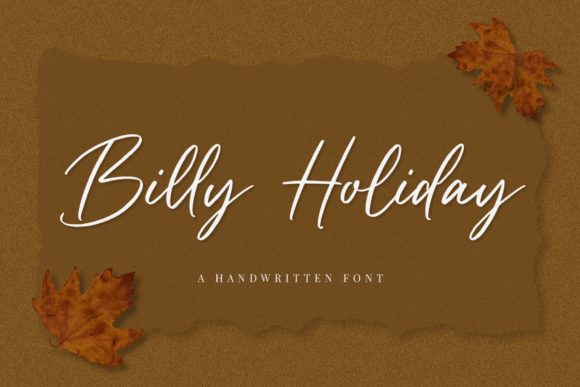
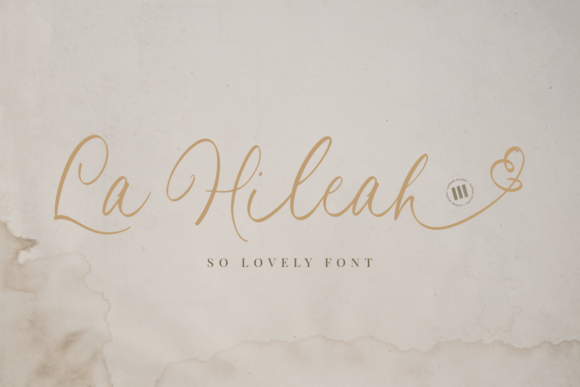
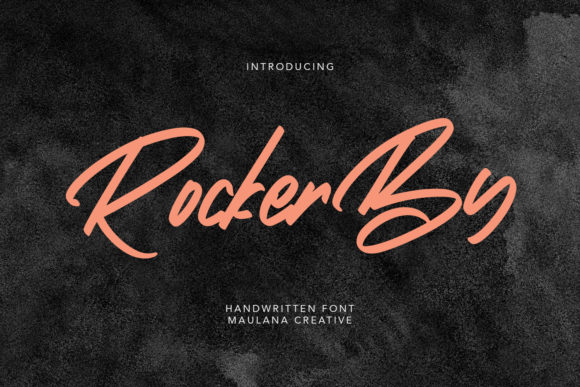
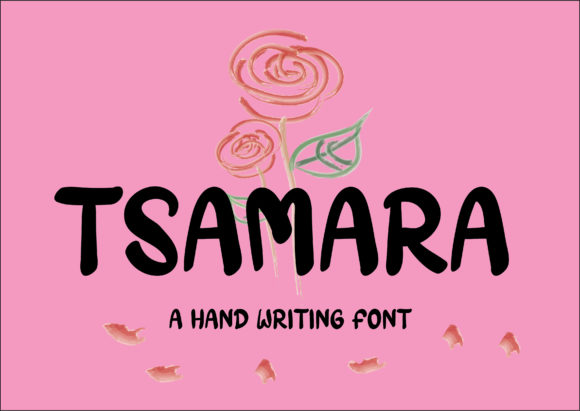
Tsamara's unique style is both inviting and versatile. Its flowing, organic lines and subtle irregularities give it a handcrafted feel, making it stand out in a sea of more rigid, mechanical fonts. The rhythm and mood of Tsamara are warm and approachable, ideal for creating a welcoming atmosphere in any publication.
Editorial Appeal and Usage
One of the most appealing aspects of Tsamara is its ability to enhance various editorial elements. For instance, when used in a blog header, it immediately sets a friendly and personal tone. In an ebook, such as a recipe collection or a wedding guide, Tsamara can be the perfect choice for chapter openers and section headings, adding a touch of elegance without overwhelming the reader.
For a coaching workbook or a printable planner, Tsamara's readability and character make it a great fit for titles, subtitles, and pull quotes. It draws the eye and creates a focal point, making key information stand out. In a digital magazine layout, Tsamara can be used for article titles and pull quotes, complementing the overall design with its unique flair.
Supporting Visual Hierarchy and Reader Attention
Visual hierarchy is crucial in any design, and Tsamara plays a significant role in achieving this. When paired with a clean sans serif or a classic serif font for body text, Tsamara helps to create a clear distinction between different levels of content. This not only enhances the readability but also guides the reader's attention effectively.
For example, in a newsletter graphic, using Tsamara for the main headline and a sans serif for the supporting text creates a balanced and visually appealing layout. The contrast between the two styles helps to highlight the most important information, making the newsletter more engaging and easier to read.
Readability Considerations
While Tsamara is highly decorative and visually appealing, it's important to consider its use in different contexts. For longer reading, such as in a digital magazine or a course PDF, it's best to use Tsamara for titles and short, impactful text. For body copy, a more readable font like a clean sans serif or a classic serif is recommended to ensure the text remains legible and easy on the eyes, especially in screen reading and mobile layouts.
Practical Font Pairing and Design Assets
Pairing Tsamara with other fonts is a creative and practical way to build a cohesive and professional design. For a lifestyle blog, you might pair Tsamara with a modern sans serif like Montserrat for a clean, contemporary look. For a more traditional or elegant feel, a classic serif like Garamond can complement Tsamara beautifully.
When using Tsamara in your designs, it's also essential to check the included styles, alternates, ligatures, and weights. Additionally, verify multilingual support, file formats, and commercial font licensing to ensure it meets all your project needs, whether for ebooks, templates, printables, or client publications.
Final Impressions
In conclusion, Tsamara is a versatile and charming handwritten font that can add a unique and personal touch to a wide range of editorial designs. Its natural and friendly style makes it an excellent choice for blog headers, ebook titles, newsletter graphics, and more. By carefully considering its use and pairing it with complementary fonts, you can create a visually appealing and engaging experience for your audience.
Whether you're a blogger, publisher, or designer, Tsamara offers a fresh and elegant option to elevate your content and leave a lasting impression. Give it a try and see how it transforms your next project.